

Turquet de Beauregard viewpoint
Perros-Guirec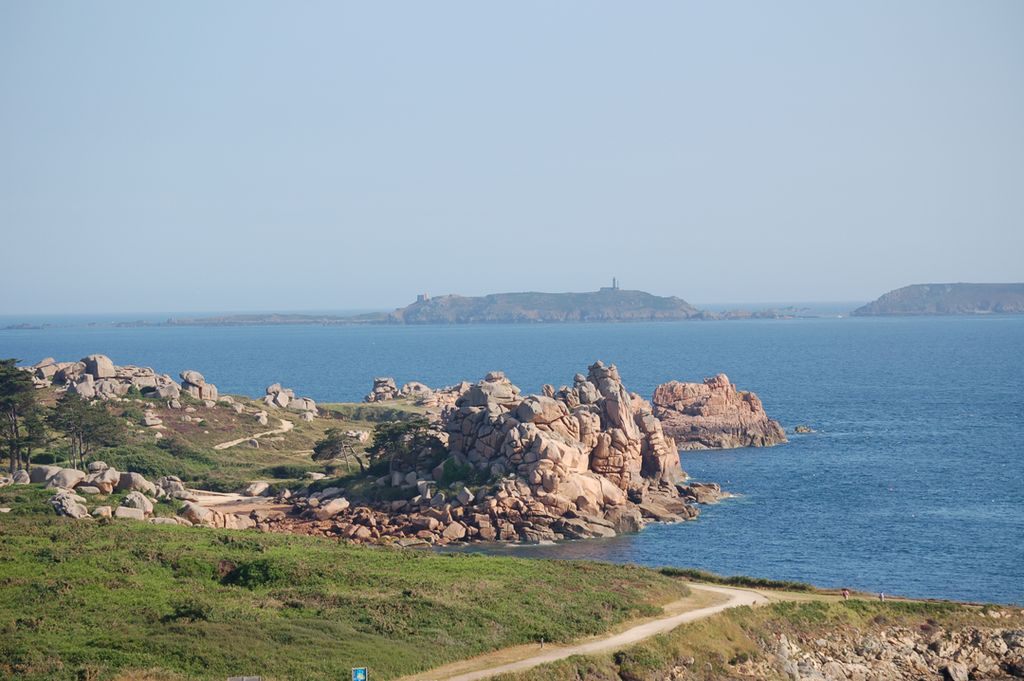
About
If you visit this spot at low tide, you will be able to see two types of rocks juxtaposed. The gneiss of Trébeurden is the older rock as it goes back more than two billion years. It is recognisable by its dark colour and jagged shape which contrasts with the pink granite, which is more rounded and much newer. In the distance, you can make out the Sept-Îles archipelago which today is home to a nature and bird reserve.


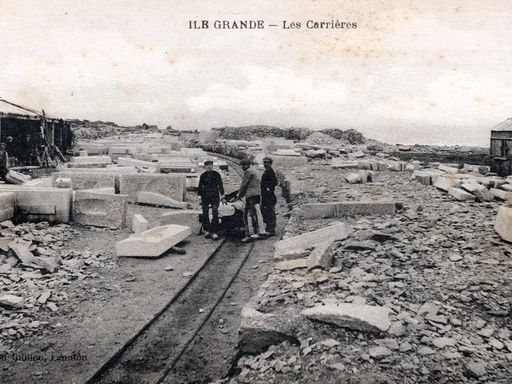
Castel Erek (Île Grande)
Pleumeur-Bodou
In this haven of peace, owned by the Conseil Général (local authorities), you will find the Sept Îles nature reserve building, which houses a permanent exhibition and the bird care centre of the...  See
See
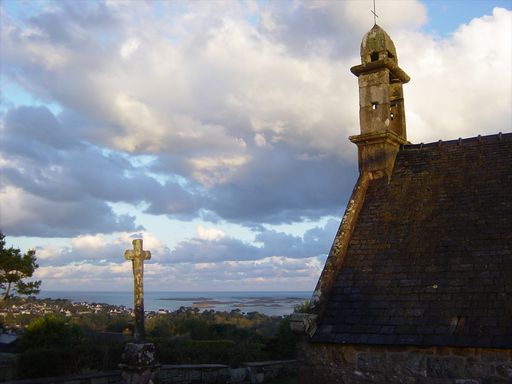

Chapel of Christ
Trébeurden
Classified as a historic monument and occupying a key position, the Chapel of Christ is not to be missed. Located on a small hill, 76 metres in altitude, it offers an outstanding panoramic view over... See
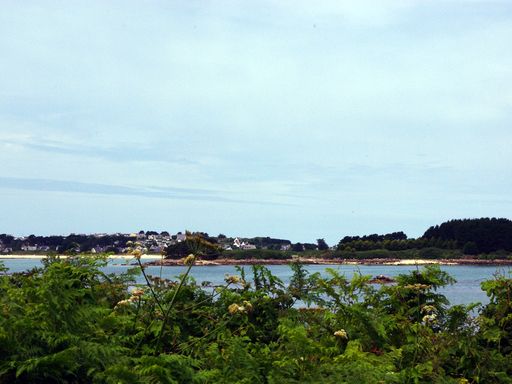
Keryvon
Pleumeur-Bodou
Walking along the beach at Keryvon, you will find a landscape shaped by the tides and by a special geological history. The presence of yellow sand and black rocks gives the area an unusual... See


The Parc du Radôme
Pleumeur-Bodou
The Radôme, a technological jewel in the crown for France during the 1960s, a symbol of the modernism of Brittany and an iconic image of Pleumeur-Bodou, is composed of a dome 64 m in diameter and 50... See